
America's Data Center Debate Is Really About Our Future | This Week's Economy Ep. 172
Why opposing critical digital infrastructure could weaken economic growth and America's competitive edge.
Hello Friends!
Across the country, a growing backlash is forming against data centers. Anti-growth proponents and NIMBYs (Not In My Backyard activists) are working to block the very infrastructure that powers artificial intelligence, cloud computing, and the digital services Americans rely on every day. The Economist published a good write-up on data centers, including the figure below.
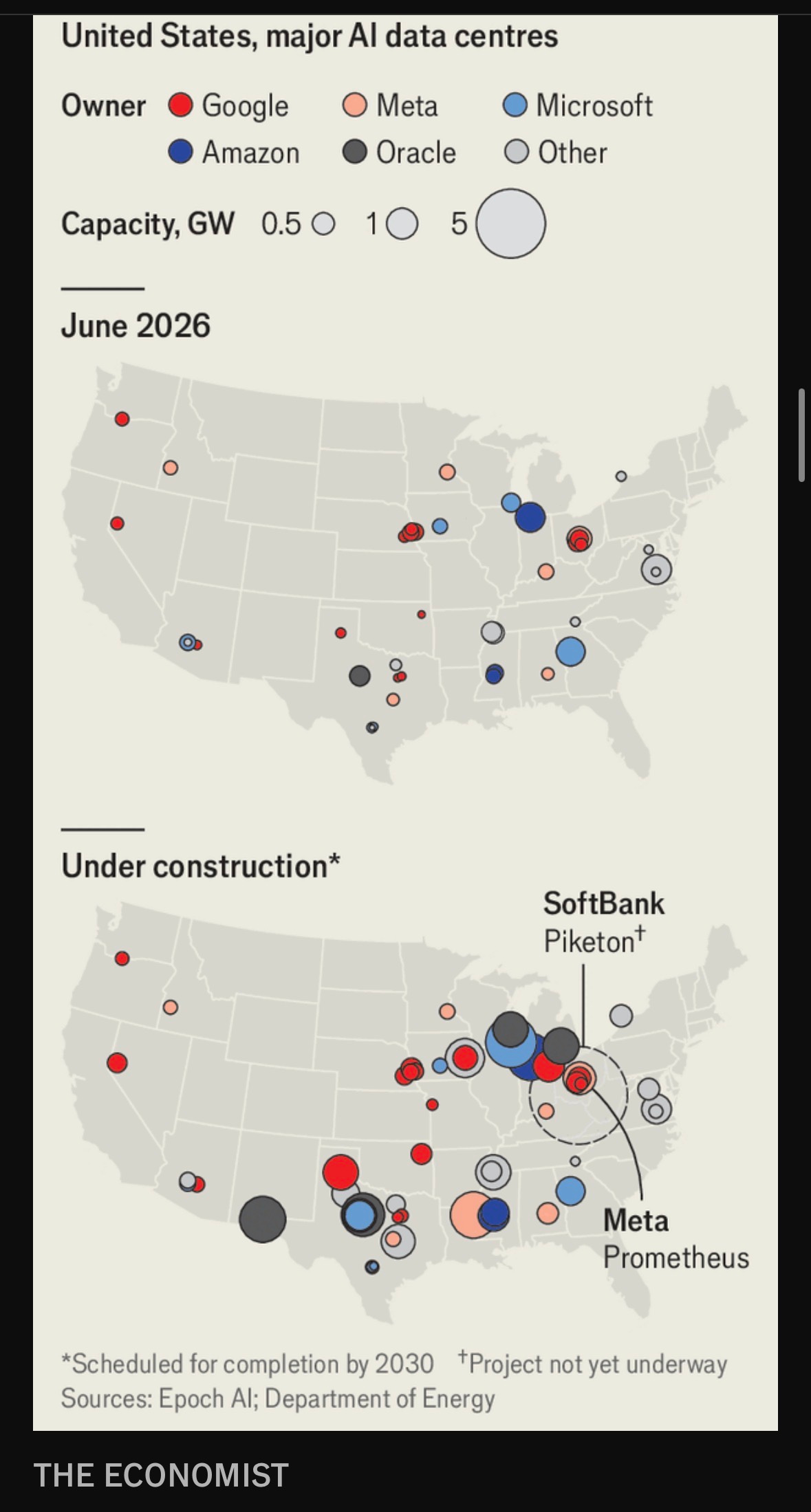
But America will not stop needing these technologies. If we make it harder to build data centers here, that infrastructure will simply be built somewhere else.
In today’s episode of This Week’s Economy, we’ll examine why data centers matter, address some of the most common concerns surrounding them, and explain why restricting this critical infrastructure threatens economic growth, energy innovation, and America’s ability to remain a global leader in technology.
Catch the full episode on YouTube, Apple Podcasts, or Spotify, and visit my website for more information about Ginn Economic Consulting.

WHY DATA CENTERS MATTER
Data centers are the physical foundation of “the cloud.” They are not abstract concepts or invisible technology. They are buildings filled with servers, storage systems, networking equipment, cooling systems, and power infrastructure that keep modern life running.
They power artificial intelligence, cloud computing, cybersecurity, online banking, logistics, GPS, telehealth, emergency response systems, and countless digital services Americans rely on every day. They also bring substantial capital investment, construction activity, permanent operations jobs, and property tax revenue to the communities that host them.
Think of data centers as the factories of the digital age. In the 20th century, communities competed to attract manufacturing plants because they created jobs, expanded the tax base, supported local suppliers, and strengthened long-term economic growth. In the 21st century, data centers are playing a similar role.
That does not mean there are no trade-offs. Large infrastructure projects always raise important questions that deserve thoughtful consideration. But those concerns should be weighed against the enormous economic opportunity these facilities provide.
Data centers are becoming the backbone of a modern economy. The question is not whether Americans will continue to depend on these technologies. We will. The real question is whether we will build the infrastructure here or allow other countries, including China, to gain the economic and technological advantages that come with it.
Let's examine some of the most common concerns surrounding data centers and why this infrastructure matters for both economic prosperity and America's global leadership.

1. Electricity Concerns
The Principles:
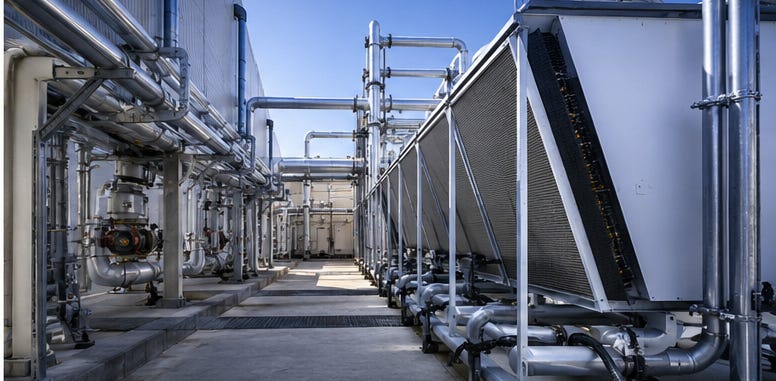
Electricity is one of the most common concerns raised about data centers. Of course, these facilities use a lot of power. They process enormous amounts of information around the clock, and computing generates heat that must be cooled.
But rising electricity demand is not a problem in itself. It is exactly what we should expect in a growing economy with more artificial intelligence, more digital commerce, more advanced manufacturing, and greater connectivity. The mistake is treating increased demand as something suspicious rather than as a sign of economic progress.
Why it Matters:
Data Centers Expose Supply Issues:
Data centers are not creating America’s electricity challenges. They are exposing long-standing weaknesses in energy policy. For years, many states have underinvested in expanding generation capacity, slowed permitting for new energy projects, and created regulatory barriers that make it difficult to bring additional supply online. As demand grows, those shortcomings become more visible.
Blaming data centers for these problems is like blaming a new neighborhood for revealing an aging highway system that was already struggling to keep up.
How Data Centers Secure Power:
The idea that data centers automatically raise electricity prices for everyone else is far too simplistic. Many companies secure power through private contracts, co-located generation, energy storage, demand management, and backup systems. In many cases, additional electricity demand can help spread the grid’s substantial fixed costs across more users.
When electricity prices rise, the culprit is often poor regulatory design and supply constraints—not simply the presence of one visible industry.
The Real Solution Is More Energy Supply:
Policymakers should stop treating data centers as the problem and instead focus on expanding America’s energy capacity. America becomes more competitive by producing more energy. If we fail to build both the digital infrastructure and the energy infrastructure needed to support a modern economy, those investments will simply move elsewhere—along with the jobs, innovation, and economic opportunity they create.
The key question is not whether demand will rise, but whether states will create an environment that allows energy supply to grow alongside it. States should encourage private power arrangements, accelerate permitting and interconnection processes, support new generation projects, and rely on market-based contracts that ensure costs are appropriately allocated.
Related Reading: I explain why Kansas (but also every state) should welcome AI growth for a flourishing economy.

2. Negative Externalities
The Principle:
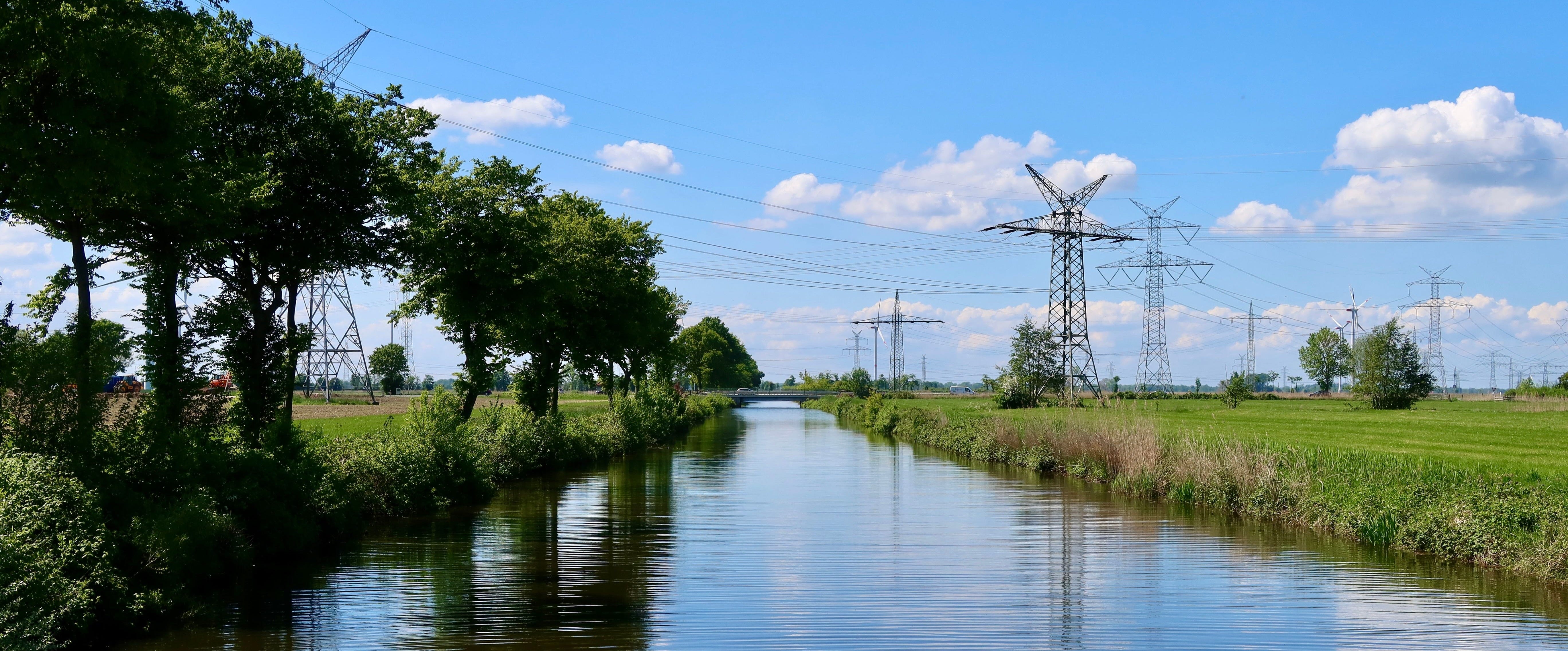
Every growing economy creates spillover effects, or what economists call externalities. Data centers are no exception. The most common concerns involve water usage and noise. Those concerns deserve to be taken seriously, but they should also be grounded in facts rather than assumptions.
Data centers have strong incentives to conserve resources because resources are expensive. Water, electricity, and land all carry costs. In a functioning market, waste is costly, and efficiency pays.
Why it Matters:
Facts on Water Concerns:
Water use is often one of the biggest concerns raised about data centers. But broad claims about data centers consuming enormous amounts of water can be misleading. Not every facility uses the same cooling technology, operates under the same climate conditions, or draws from the same water sources. Many newer facilities use air-cooled systems that require little or no water for cooling. Others use closed-loop systems that recycle water rather than continually drawing in fresh supplies. The amount of water used depends heavily on facility design, local conditions, and available technology.
A better question is: How much water do data centers use? Under what conditions? And who bears those costs? Where water is genuinely scarce, prices should reflect that scarcity and encourage conservation and innovation.
Community Impact Concerns:
Communities should have reasonable tools to manage growth. Sensible setbacks, traffic planning, noise standards, and local review processes can help balance new development with quality of life. But those tools can quickly become barriers to growth if they evolve into blanket opposition to any large investment that feels unfamiliar. States should protect property rights and allow communities to address legitimate concerns without turning zoning and permitting into backdoor bans on the infrastructure that supports modern commerce.
A Better Approach:
Concerns about resource constraints are understandable. But those concerns should be addressed through market signals and transparent rules rather than fear-based projections. History shows that resource constraints often encourage innovation. Businesses continually find ways to become more efficient because efficiency lowers costs and improves competitiveness.
The better path forward is clear: neutral rules, faster permitting, strong property-rights protections, transparent utility pricing, and market-based solutions that ensure companies pay for the resources they use.
Data centers should bear the costs they impose through the marketplace, just like any other industry. But they should not face punitive government restrictions simply because they have become politically convenient targets.
Related Reading: I discuss some of the water concerns raised during recent debates over data centers and how market-based solutions can address them.

3. Economic Growth Potential
The Principle:
Technological progress has always expanded opportunity. It changes how we work, communicate, learn, and build businesses by increasing productivity and raising living standards. History teaches that innovation may create short-term disruption, but it creates greater prosperity over time as markets adapt. The role of policymakers is not to manage technological outcomes. It is to create an environment where competition, investment, and discovery can flourish. Data centers are part of that story.
Why it Matters:
Data Centers Create Broad Economic Benefits:
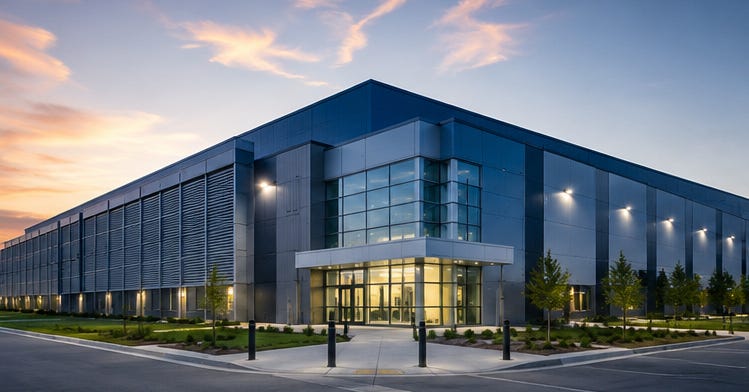
A fully operational data center may directly employ around 100 people, which can be meaningful in many communities. But the broader economic impact is much larger. These projects often involve billions of dollars in upfront investment, years of construction activity, demand for local contractors and suppliers, utility upgrades, and long-term additions to local tax bases.
The economic benefits extend well beyond the facility itself. New businesses often emerge nearby, and communities can experience a ripple effect that supports additional investment and job creation. The long-term benefits depend on good public policy. New tax revenue should reduce the burden on existing taxpayers rather than become an excuse to expand government spending.
Blocking Data Centers Can Reduce Competition:
Restricting data center development can create unintended consequences. When permitting delays, energy shortages, or regulatory bottlenecks become excessive, only the largest companies can afford to absorb those costs. Smaller firms and new entrants are pushed out, reducing competition and slowing innovation. Overregulation often strengthens incumbents rather than protecting consumers. If policymakers want a more competitive technology sector, they should reduce barriers to building.
How States Should Welcome Growth:
Data centers are not simply another building project. They are part of the infrastructure that will power the next generation of economic growth.
It’s up to states to create an environment that welcomes that growth.
States do not need corporate welfare to attract investment. Instead, they should allow data centers to be built, expand energy supply, streamline permitting, protect property rights, and create predictable rules that encourage long-term investment. Communities should be able to benefit from construction jobs, new economic activity, and a stronger tax base without creating special subsidies or imposing unnecessary restrictions.
America has always prospered by embracing innovation rather than fearing it.
Related Guide: Download my policy guide outlining reforms that can help the United States harness the economic opportunities created by technological innovation.

4. Global Competitiveness

The Principle:
Artificial intelligence is no longer just a technology issue. It is increasingly an economic and national security issue. China benefits if America talks itself out of building the physical foundation of the next economy. The countries that build the infrastructure behind AI will shape the future of innovation, productivity, and global influence. Data centers are a critical part of that infrastructure. If we choose not to build, our competitors will gladly fill the gap.
Why it Matters:
China Is Moving Quickly:
China is not slowing down its investments in artificial intelligence. Chinese leaders have made it clear that AI adoption is a national priority and are encouraging businesses to integrate these technologies across the economy. They understand that AI will influence everything from manufacturing and logistics to finance and national defense. This competition is no longer just about computer chips or software models. It is also about who builds the infrastructure that supports them.
Don’t Ignore Incentives:
America should recognize the incentives at play. There is some evidence that the Chinese government is directly paying specific anti-data-center groups. If you were a foreign competitor, you would welcome efforts that made Americans more fearful of building the infrastructure needed to power the next generation of economic growth. Every delayed permit, every unnecessary lawsuit, and every blanket ban makes it easier for competitors to gain ground.
America Must Lead the Technological Future:
This should wake up American policymakers. Making it more difficult to build data centers does not freeze the future. It simply shifts the future somewhere else. China gains when America constrains its own computing, energy, and infrastructure capacity through fear, delays, and excessive bureaucracy. American policymakers should reject the flawed precautionary principle that demands we halt progress in response to speculative worst-case scenarios. Instead, they should focus on creating an environment where innovation can responsibly flourish.
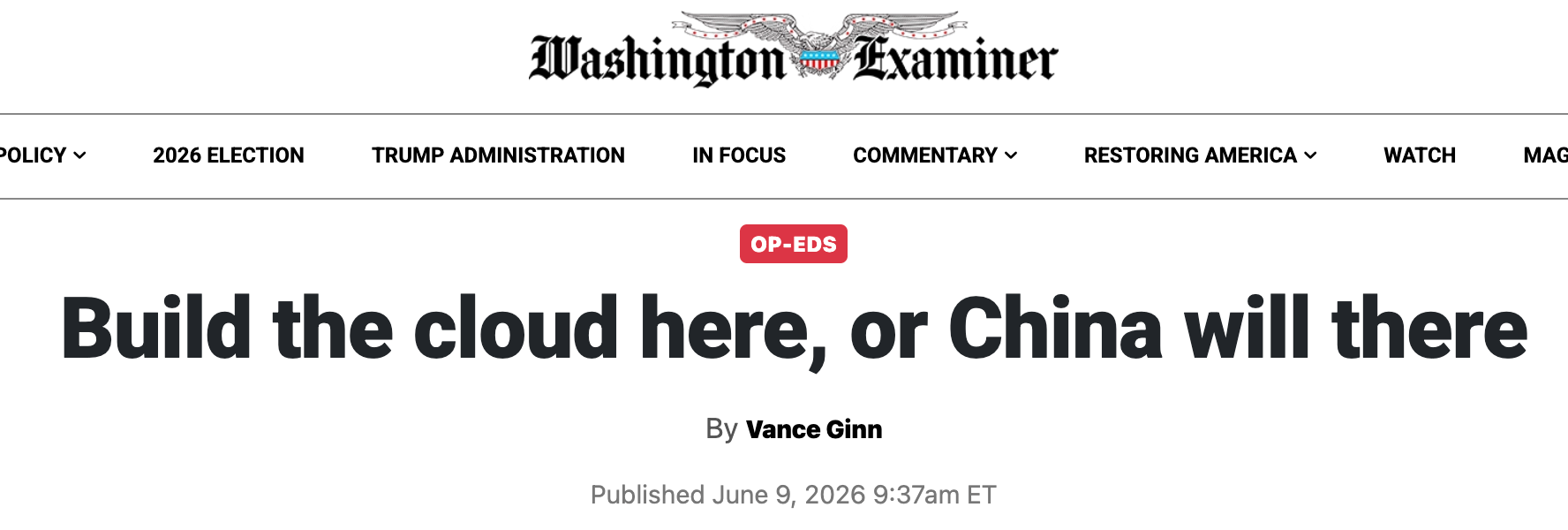
Related Reading: In the Washington Examiner, I explain why building this critical infrastructure in the United States is essential to maintaining America's economic competitiveness and global leadership.
Bottom Line
Data centers are not a nuisance to the real economy. They are part of the real economy. They are the factories of the digital age, the physical backbone of the cloud, and one of the clearest tests of whether we still know how to build.
There are valid concerns around community impacts that deserve thoughtful consideration, but they should be addressed with facts, market signals, and smart policy — not fear, bureaucracy, or blanket opposition to growth.
America will not use less technology if we block data centers. We will simply build less of that infrastructure here, thereby sending investment, jobs, and innovation elsewhere. The world is not waiting for us. China and other competitors are moving quickly to secure the economic advantages that come with AI and digital infrastructure.
We can either embrace abundance by building the energy, computing, and physical infrastructure needed to power the next economy, or we can choose scarcity and watch others lead.
Thanks for joining me in this episode of "This Week's Economy." For more insights, visit vanceginn.com and get even greater value with a paid subscription to my Substack newsletter at vanceginn.substack.com.
God bless you, and let people prosper!
